Many age-related conditions develop slowly and without obvious pain. A check-up gives the vet a chance to notice small changes in weight, behaviour or blood results while there is still plenty that can be done.
What the vet looks at
- Weight and body condition
- Teeth and gums
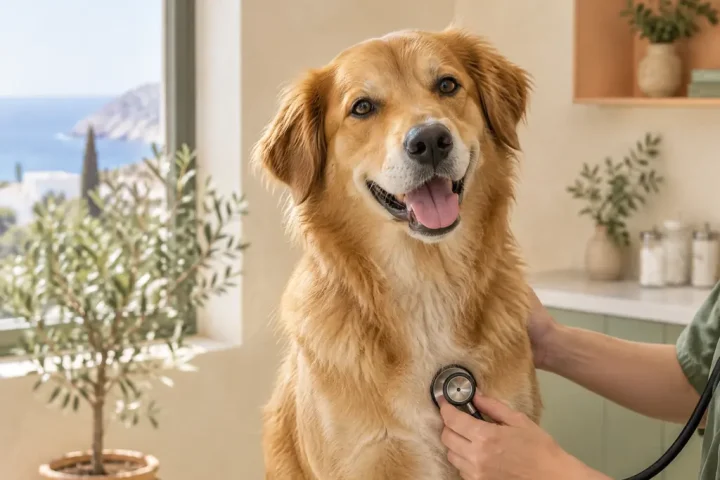
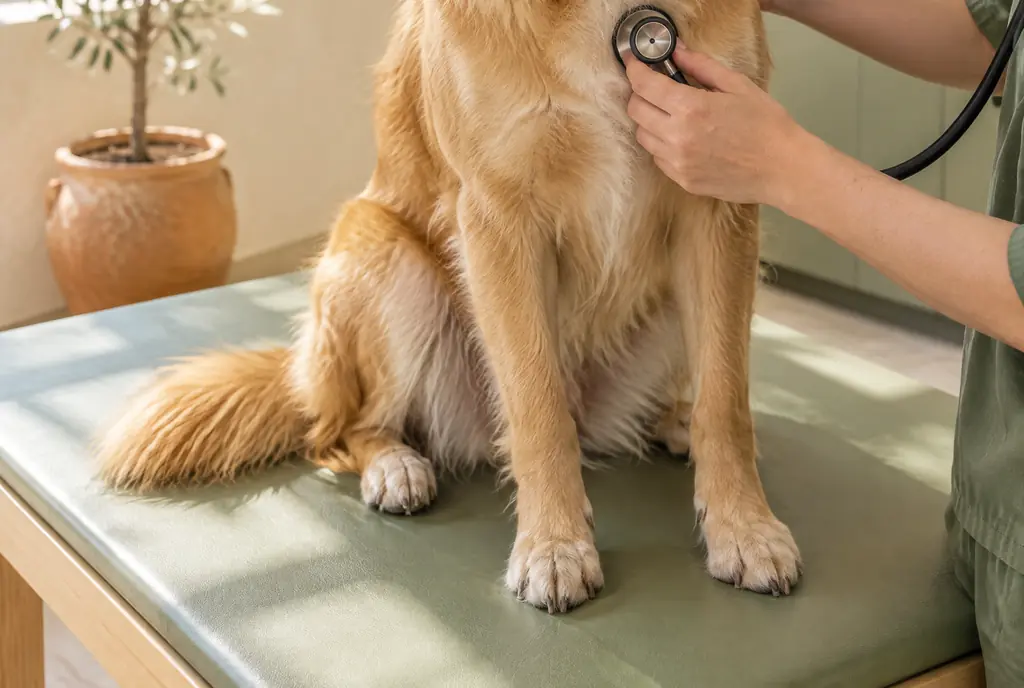
- Heart and lungs
- Joints, mobility and signs of discomfort
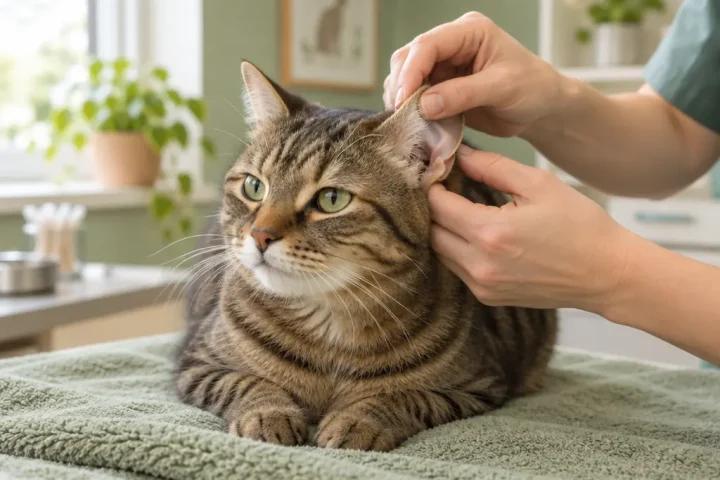
- Eyes, ears and skin
Blood and urine tests
Your vet may suggest tests to check kidney and liver function, blood sugar and thyroid levels. A first set of results also gives a baseline to compare against in future years.
Tell the vet what has changed at home
Drinking more, sleeping more, reluctance on stairs or changes in litter-tray habits can all be meaningful. A short list of what you have noticed is one of the most useful things you can bring.
How often to go
The right interval depends on your pet’s age and health. Ask your vet to explain why they recommend a particular schedule.