Most people look for a vet in a hurry, when an animal is already unwell. Registering with a clinic in advance means your pet’s records are in one place and you know where to go when something goes wrong.
Start with the animals they treat
Every clinic sees cats and dogs, but not every clinic is set up for rabbits, birds, reptiles or horses. If you keep anything other than a cat or dog, ask whether a vet with experience of that species works there and on which days.
Ask how out-of-hours care works
Some clinics run their own emergency service; others refer to an animal hospital or share a rota with nearby practices. Find out where you would go at night or on a public holiday, and save the number in your phone.
Look at what is done on site
- Blood tests and other laboratory work
- X-ray and ultrasound
- Dental treatment under anaesthetic
- Surgery and overnight stays
Clinics that send work elsewhere can still give excellent care. It simply helps to know where your pet would go, and how long results usually take.
Pay attention to how the clinic handles nervous animals
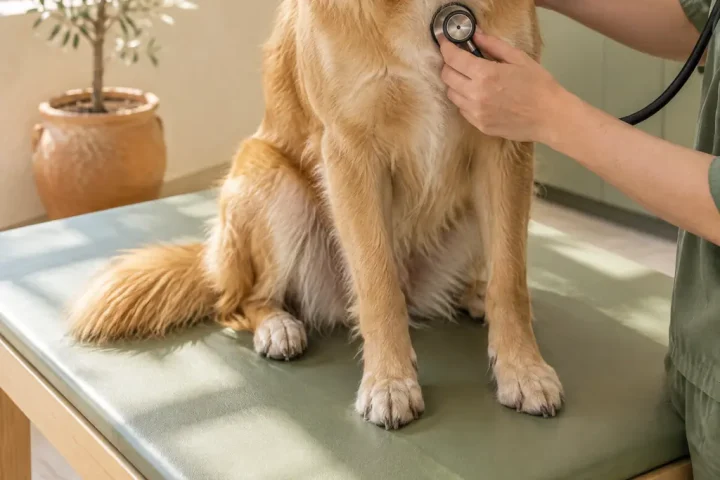
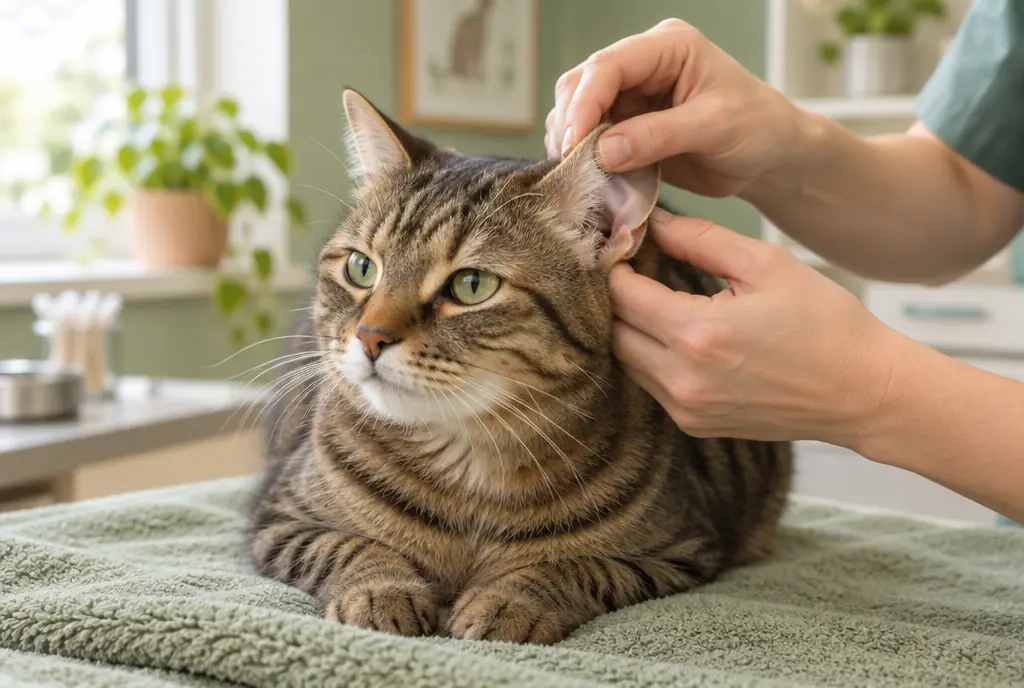
Separate waiting areas for cats and dogs, unhurried appointments and handling that keeps stress low make a real difference for anxious pets. Ask what the clinic does to help.
Use reviews for the right things
Reviews are a good guide to communication, waiting times and how staff treat owners. They say less about clinical skill, so weigh them alongside the services and experience a clinic lists.