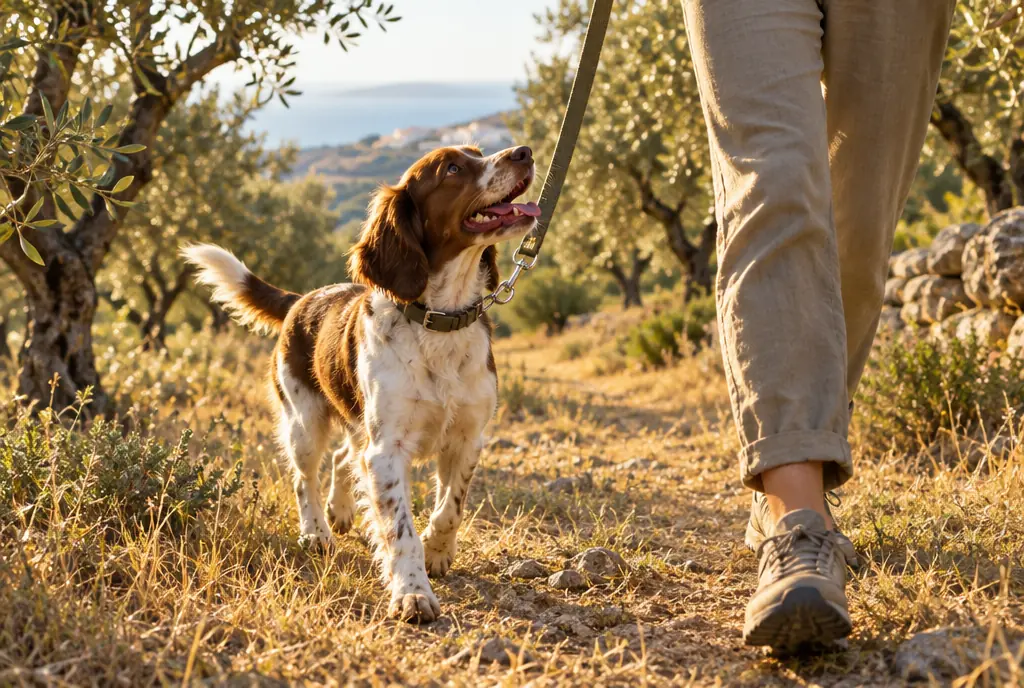
Dogs and cats cool down far less efficiently than people. During the hottest months, a walk at the wrong time of day or a few minutes in a parked car can be enough to cause heatstroke.
Move walks to the cool hours
Walk dogs early in the morning and after sunset. Test the pavement with the back of your hand: if it is too hot to hold there for several seconds, it is too hot for paws.
Never leave a pet in a car
The inside of a car heats up quickly, even in the shade and with the windows open. Take your pet with you or leave them at home.
Know the warning signs
- Heavy panting that does not settle
- Drooling, weakness or stumbling
- Bright red or very pale gums
- Vomiting or collapse
If you see these signs, move the animal somewhere cool, offer water, wet the coat with cool rather than ice-cold water, and call a vet straight away.
Flat-faced breeds and older pets need extra care
Breeds with short noses, overweight animals and older pets struggle most in the heat. Ask your vet whether your pet needs a different routine over the summer.